Cart
0
You may also like
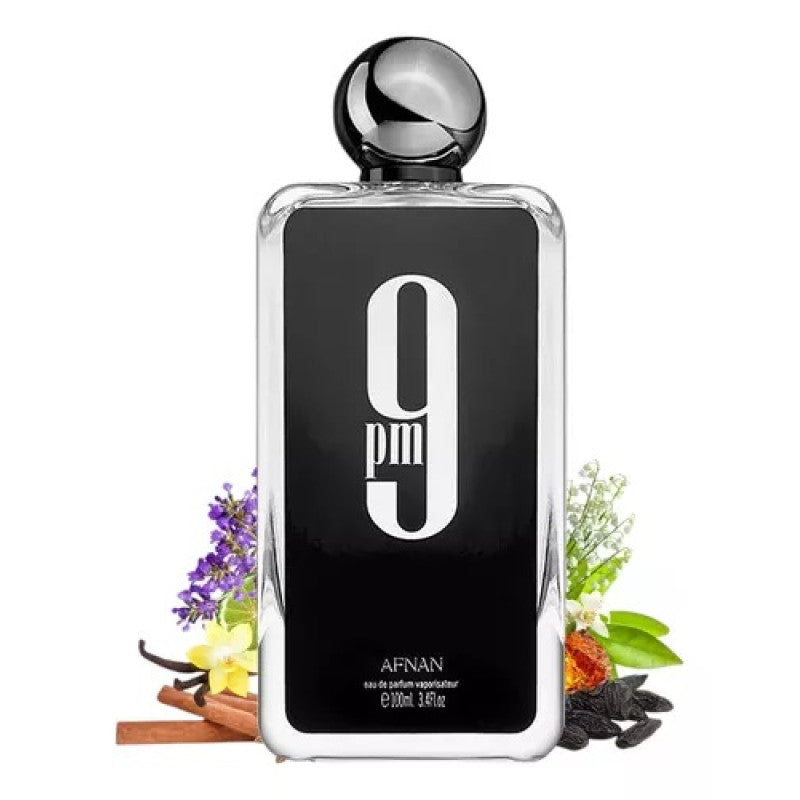
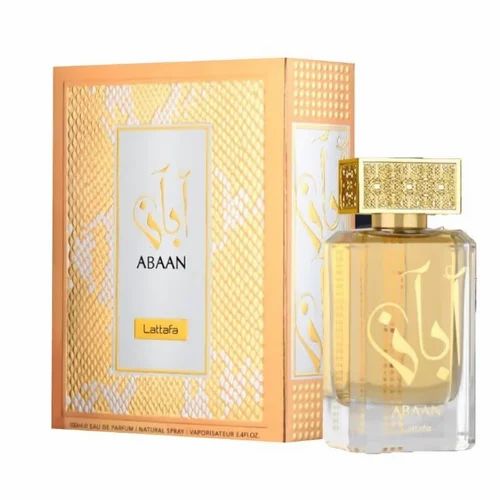
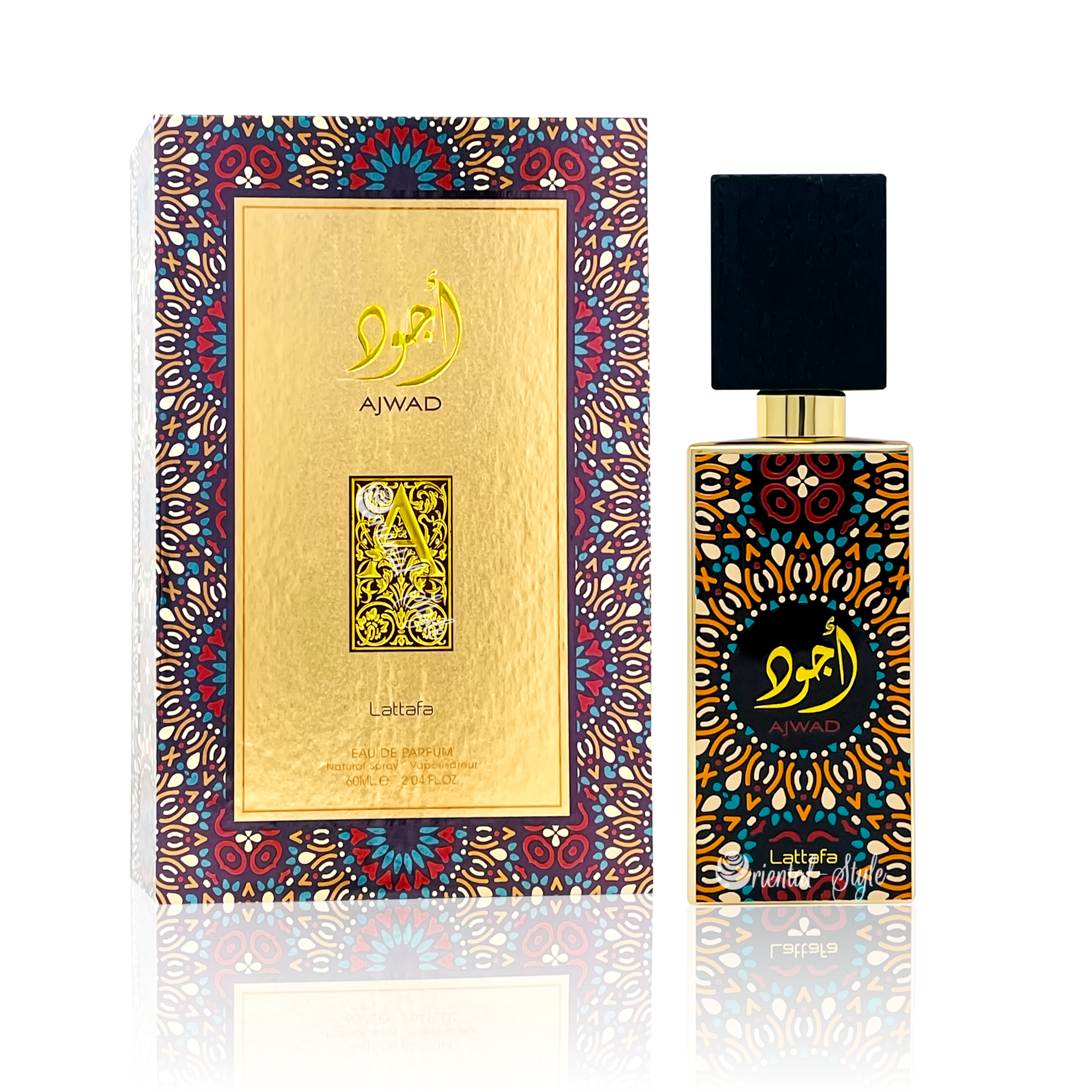
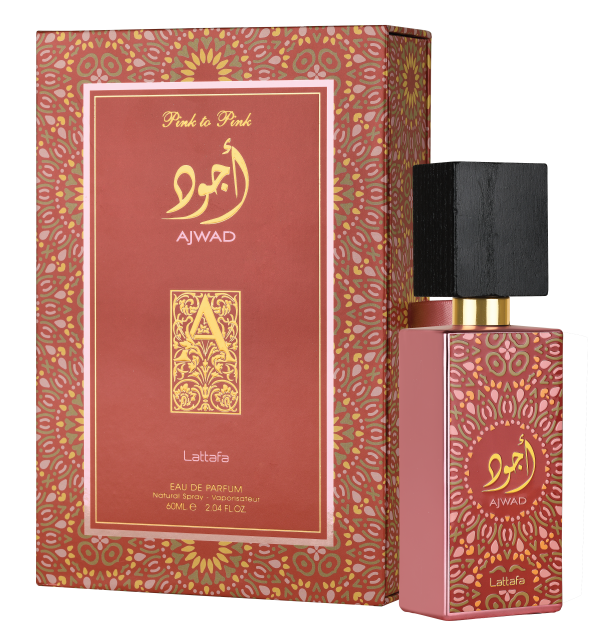
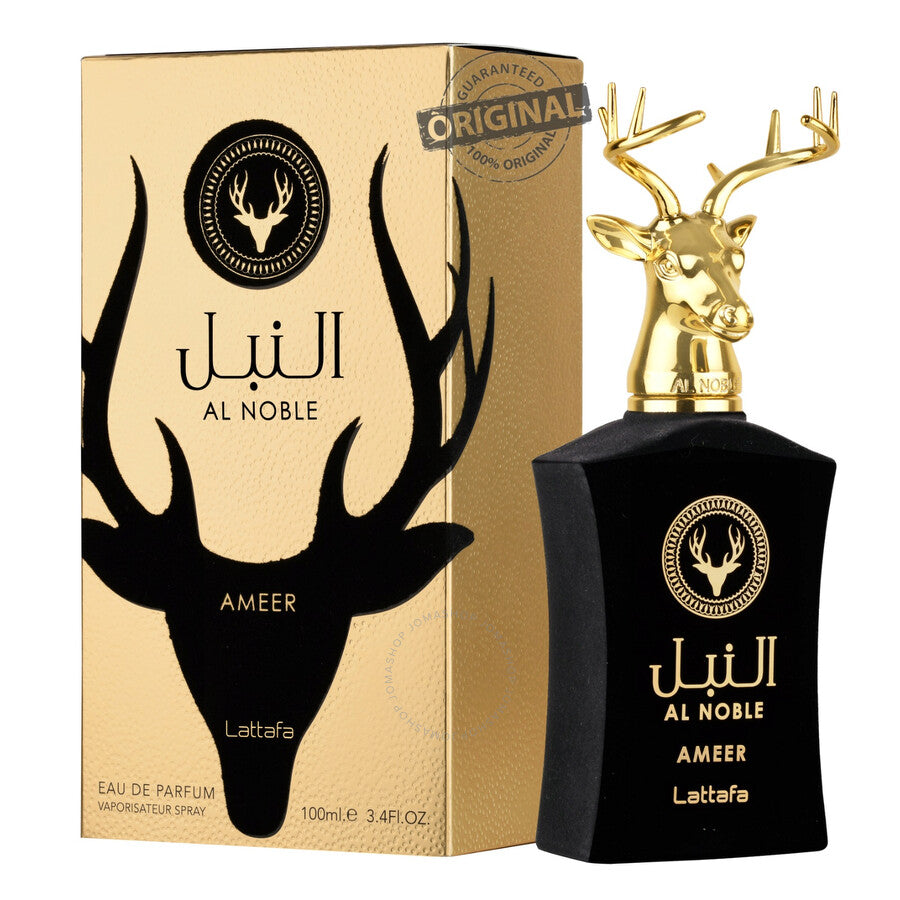
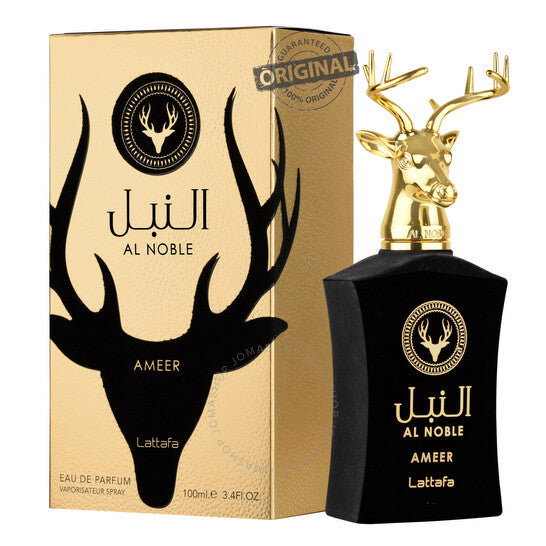
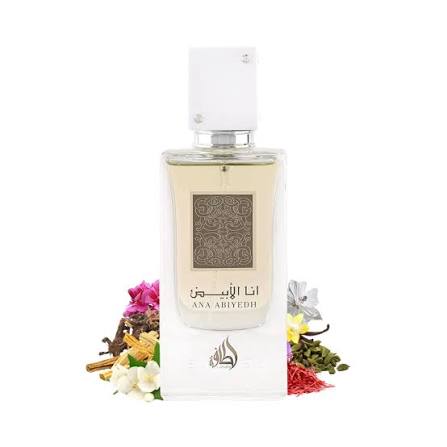
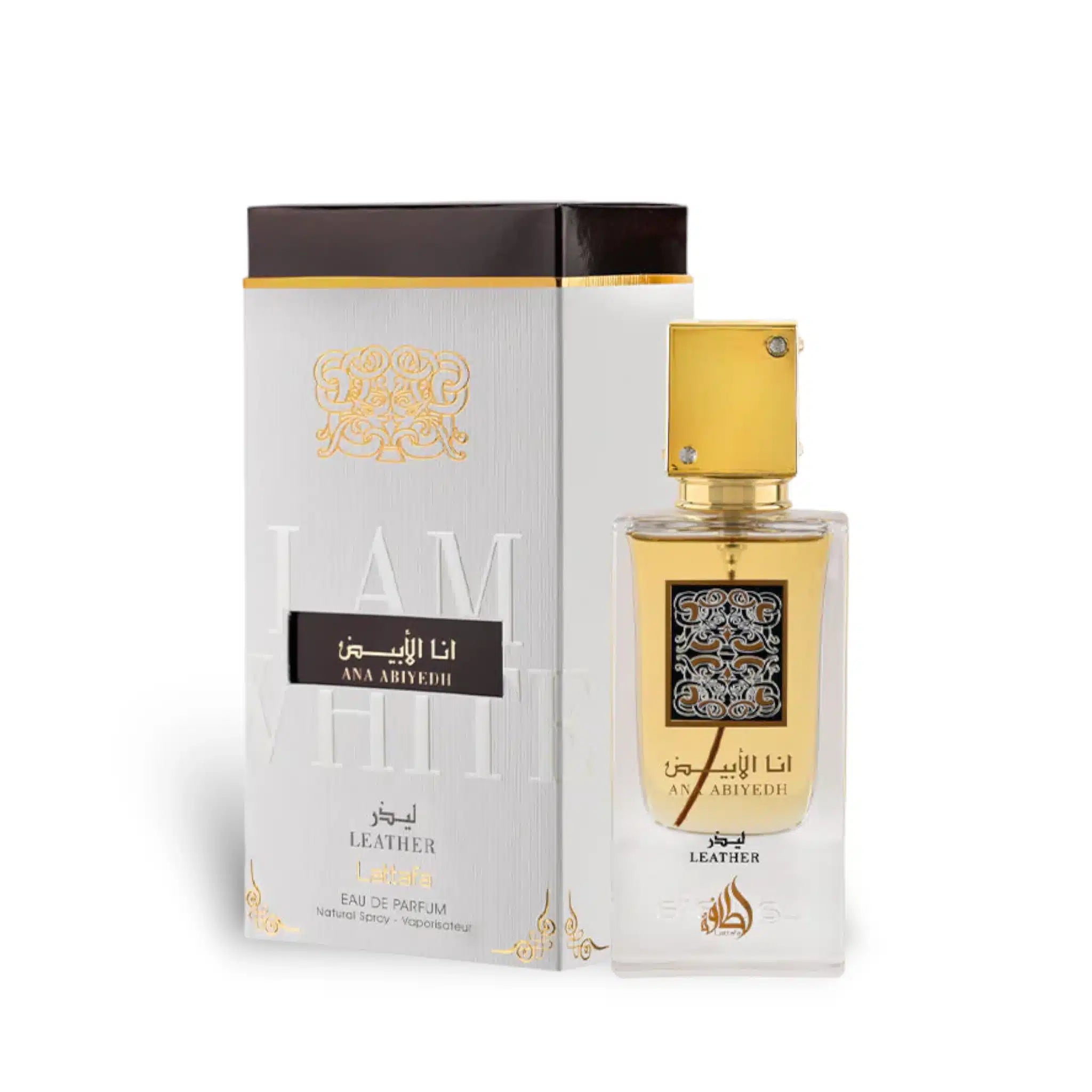


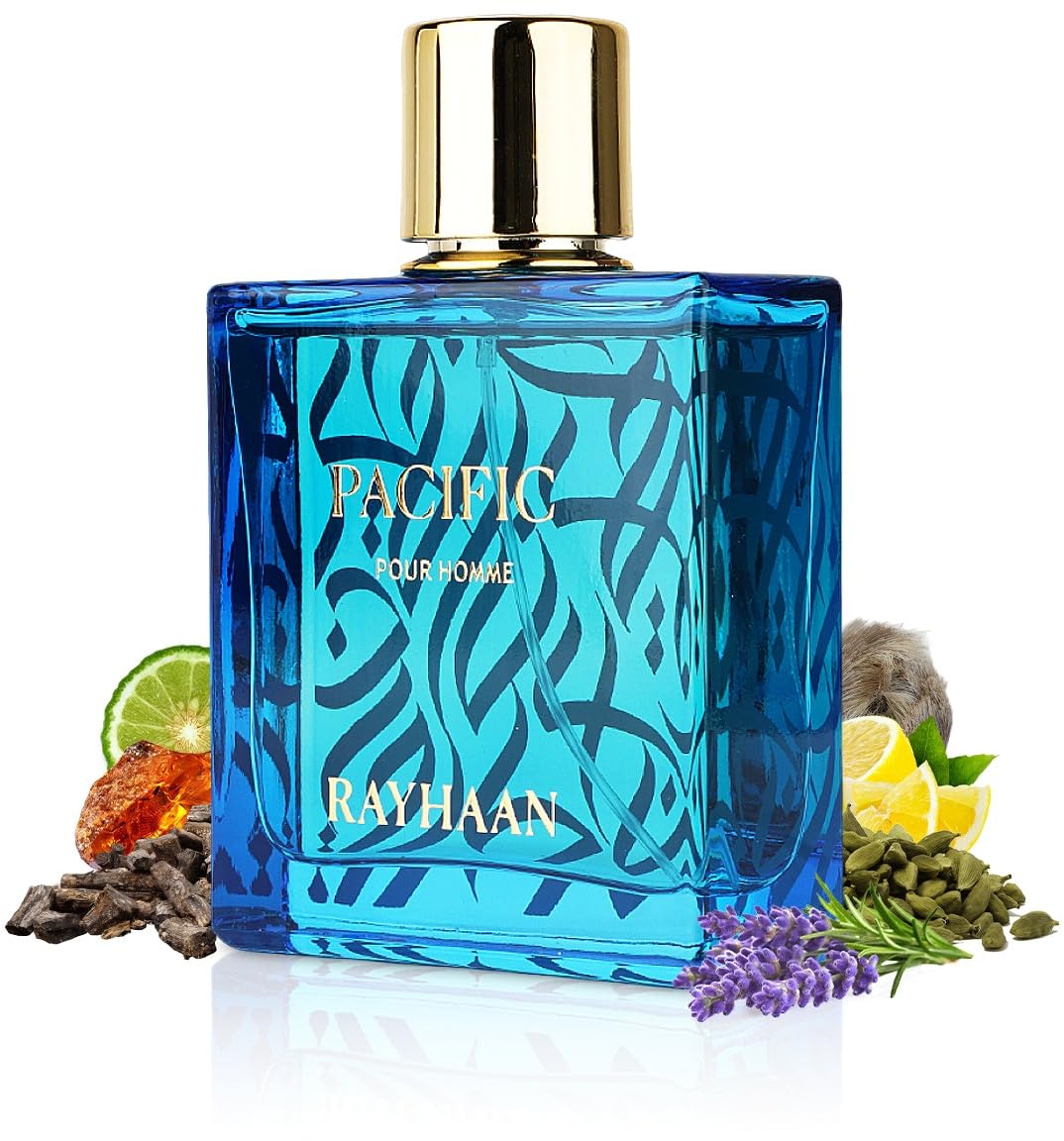
Two bottles, same name, same brand, different letters — and a sixty dollar gap. The letters are not marketing tiers or quality rankings. They describe how much perfume oil is dissolved in the alcohol base, and that single number changes how a fragrance opens, how far it travels and how long it lasts.
This is the part most guides skip. Concentration is not the only difference — brands often reformulate between versions. An EDT frequently has a fresher, more citrus-forward opening precisely because the lighter base lets the top notes breathe. The EDP of the same scent may be warmer and more resinous, and some people prefer the EDT on its own merits, not as a budget option.
Concentration is mostly a question of context:
A 50 ml parfum that needs one spray can outlast a 100 ml EDT that needs four. Compare on sprays, not millilitres, and the pricing usually makes more sense than it first appears.
Onto clean, slightly moisturised skin at pulse points — neck, chest, inner elbows. Do not rub your wrists together; the friction and heat break down the top notes. And apply before you dress if the fragrance has any depth to it, so nothing marks light fabric.
Every listing in our catalogue states its concentration and size, so you can compare the two versions of a scent side by side before deciding.