Cart
0
You may also like
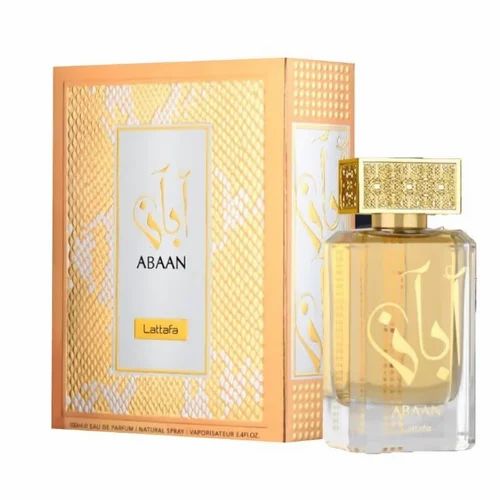
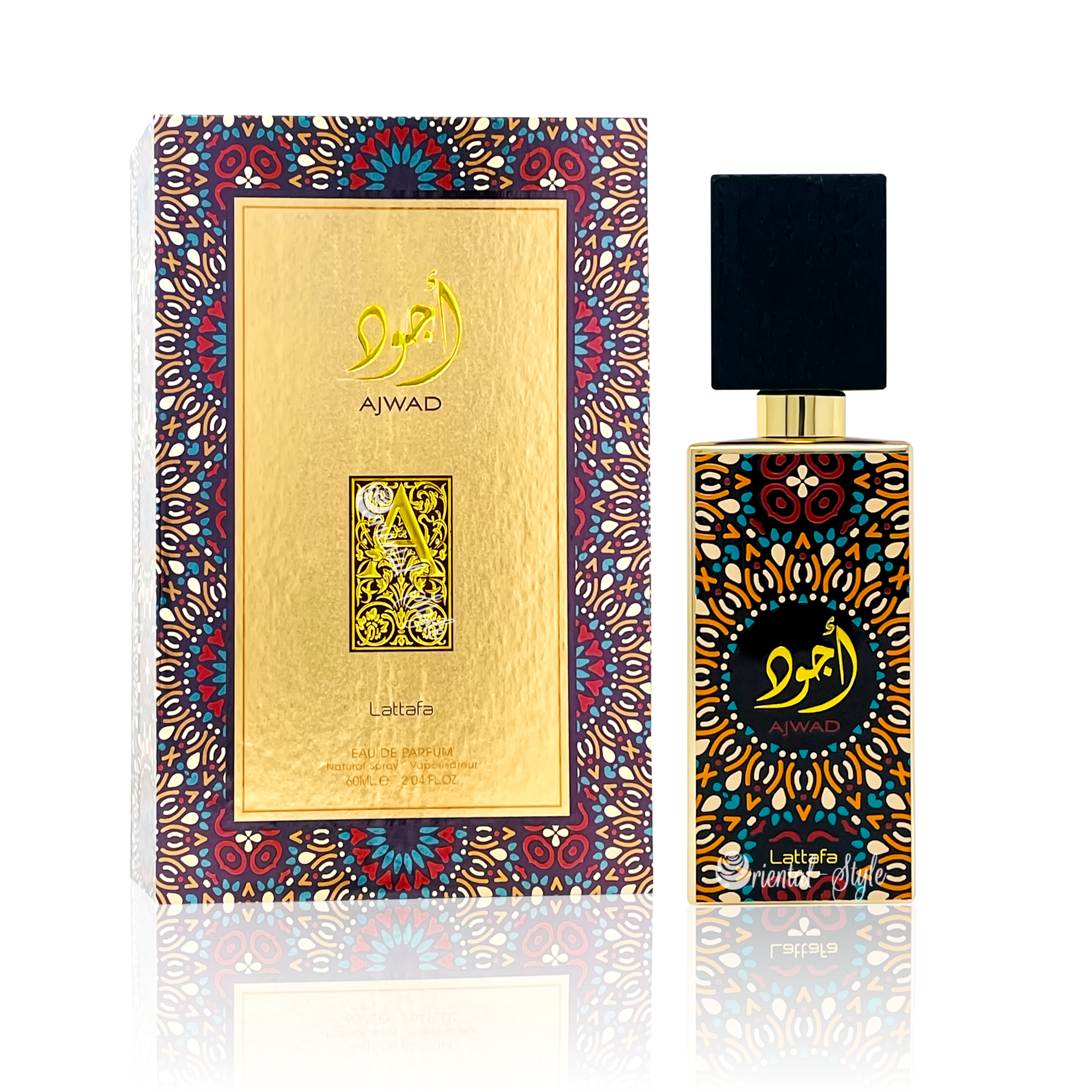
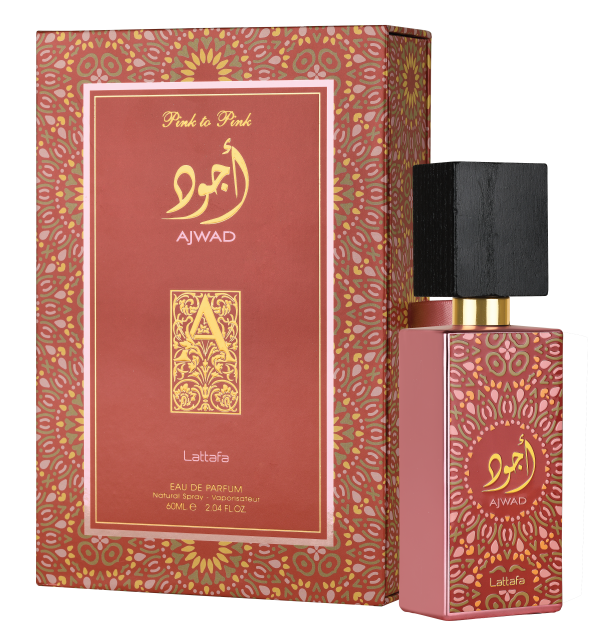
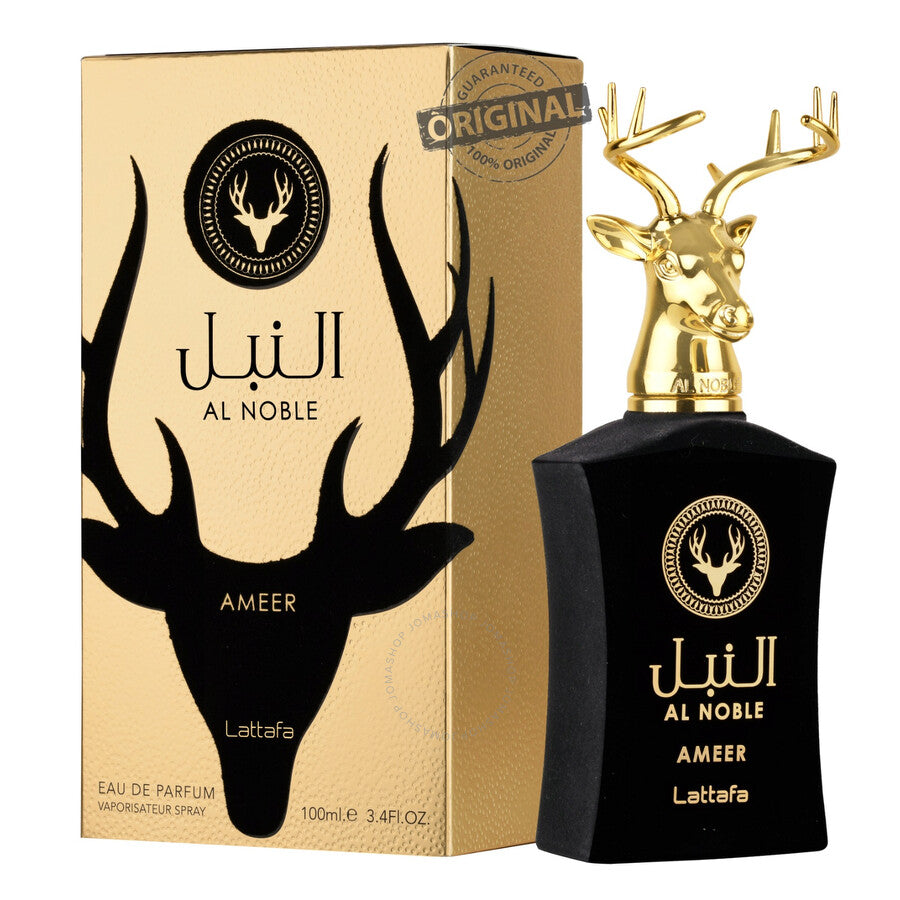


If you have ever smelled a Middle Eastern fragrance and found something dark, resinous and faintly medicinal underneath the sweetness, you have met oud. It is the most valuable raw material in perfumery and the note that divides opinion faster than any other.
Oud — also called agarwood — is resin-soaked heartwood from Aquilaria trees. Healthy Aquilaria wood is pale and almost odourless. Only when the tree is infected by a particular mould does it flood the wound with a dark, aromatic resin as a defence. That infected wood is oud. It happens to a small fraction of wild trees, takes years to develop, and cannot be rushed — which is most of the reason a few grams can cost more than an ounce of gold.
"Oud" is not one smell. Cambodian oud tends to be sweeter and fruitier; Indian oud is famously animalic and barnyard-like; Malaysian leans dry and woody. On top of that, most accessible fragrances use synthetic oud accords rather than distilled oil — cleaner, more consistent, far cheaper, and honestly more wearable for most people. Neither is a cheat. They are simply different materials.
Oud is a base note. It is heavy, slow to evaporate, and it will still be there at the end of the day — often the only thing left. Expect three phases: a bright or spicy opening that has little to do with the oud, a middle where rose, saffron or amber carries it, and a long resinous drydown.
Oud is not only a perfume note. Across the Gulf, oud chips and bakhoor — scented wood blends burned on charcoal — are used to perfume homes, clothing and guests. If you like oud in a bottle, burning bakhoor is a natural next step and a very different experience: smokier, sweeter, and gone within the hour.
Explore our Oud & Woody collection if you want to start somewhere structured. If a listing mentions rose, saffron or amber alongside the oud, it is probably a good first bottle.